

9 Validated n8ked Replacements: Safer, Ad‑Free, Privacy‑First Selections for 2026
These nine alternatives enable you build AI-powered imagery and fully generated “digital girls” minus touching non-consensual “AI undress” and Deepnude-style features. Every pick is advertisement-free, privacy-first, and both on-device plus constructed on clear policies suitable for 2026.
People land on “n8ked” plus similar clothing removal apps searching for velocity and realism, but the exchange is hazard: unwilling deepfakes, questionable data collection, and watermark-free outputs that propagate harm. The options below prioritize consent, on-device processing, and provenance so you can work innovatively without violating legal plus ethical limits.
How have we verify safer alternatives?
We focused on on-device creation, without ads, direct bans on unauthorized content, and transparent data management controls. Where online models exist, they operate behind established policies, tracking trails, and content credentials.
Our review focused on 5 criteria: whether the app runs locally with without telemetry, whether the tool is ad-free, whether it blocks or prevents “clothing removal feature” behavior, whether the app supports output provenance or tagging, and whether the TOS bans unauthorized nude or manipulation use. The result is a selection of usable, high-quality options that bypass the “online nude generator” approach entirely.
Which applications meet criteria as ad‑free and also privacy‑first in the current year?
Local community-driven packages and enterprise offline software prevail, because they limit data exposure and tracking. You’ll encounter Stable Diffusion user interfaces, 3D character creators, and professional editors ainudez that store private files on your computer.
We excluded undress apps, “companion” deepfake creators, or services that convert clothed pictures into “authentic nude” outputs. Ethical design workflows center on generated models, authorized datasets, and documented releases when real people are involved.
The 9 privacy-focused alternatives that truly work in 2026
Use these whenever you need oversight, quality, and safety minus touching an undress tool. Each pick is powerful, widely utilized, and doesn’t depend on misleading “artificial undress” promises.
Automatic1111 Stable SD Web UI (Local)
A1111 is a highly common local user interface for Stable Diffusion generation, giving people precise management while storing everything on your machine. It’s advertisement-free, extensible, and supports professional quality with safety features you set.
The Web system runs on-device after setup, eliminating cloud uploads and minimizing security exposure. You are able to create completely generated people, enhance source shots, or create concept art minus invoking any “clothing removal tool” mechanics. Plugins include ControlNet, inpainting, and upscaling, and people decide which models to load, how to tag, and which elements to block. Conscientious creators adhere to synthetic characters or media made with written authorization.
ComfyUI (Node‑based Offline Pipeline)
ComfyUI is an advanced visual, visual node workflow creator for Stable Diffusion Diffusion that’s excellent for expert users who require reproducibility and security. It’s advertisement-free and runs locally.
You design end-to-end pipelines for text-to-image, image-to-image, and advanced guidance, then export presets for reliable outputs. Because it’s on-device, confidential content never depart your drive, which is crucial if you work with consenting models under NDAs. The system’s node display helps examine specifically what the current tool is executing, supporting ethical, traceable pipelines with adjustable clear watermarks on output.
DiffusionBee (Mac, Local SDXL)
DiffusionBee delivers one-click SDXL generation on Apple devices with no account creation and zero advertisements. It’s privacy-friendly by default, because the app operates fully locally.
For users who won’t want to manage installs or configuration files, this application is a clean entry method. It’s excellent for synthetic portraits, design studies, and style explorations that avoid any “artificial undress” behavior. You can keep databases and queries local, apply your own safety filters, and save with metadata so team members know an image is AI-generated.
InvokeAI (Local SD Suite)
InvokeAI is a complete polished on-device diffusion suite with an intuitive streamlined interface, powerful modification, and comprehensive system management. It’s clean and suited toward commercial processes.
The project prioritizes usability and guardrails, which makes the system a solid choice for companies that want consistent, ethical content. You can generate synthetic models for adult creators who require documented releases and origin tracking, maintaining source content offline. The system’s workflow features lend themselves to written authorization and output marking, essential in 2026’s stricter policy environment.
Krita (Pro Digital Art Painting, Open‑Source)
Krita isn’t an AI adult generator; the tool is a professional painting app that stays fully local and ad-free. The app complements diffusion tools for ethical editing and compositing.
Use Krita to edit, paint above, or blend synthetic renders while keeping files private. The tool’s brush systems, color handling, and layer capabilities help users refine structure and lighting by manually, sidestepping the quick-and-dirty clothing removal app mentality. When real individuals are involved, you can insert releases and licensing information in file metadata and export with visible credits.
Blender + Make Human (Three-Dimensional Character Creation, On-Device)
Blender with MakeHuman lets you generate virtual character bodies on the workstation with no ads or remote upload. It’s a consent-safe path to “digital girls” because people are entirely synthetic.
You are able to sculpt, animate, and produce lifelike avatars and not manipulate a person’s actual image or representation. Surface and illumination workflows in the tool produce high fidelity while maintaining security. For mature creators, this suite enables a entirely digital pipeline with clear asset rights and without chance of non-consensual manipulation contamination.
DAZ Studio (3D Models, Free for Beginning)
DAZ Studio is a complete developed ecosystem for building photoreal human models and scenes on-device. It’s free to start, ad-free, and asset-focused.
Creators use DAZ to build pose-accurate, completely synthetic compositions that will not need any “artificial undress” modification of living people. Asset licenses are transparent, and creation happens on your own machine. It’s a useful alternative for people who require realism while avoiding legal risk, and it pairs effectively with Krita or photo editing tools for post-processing work.
Reallusion Character Creator + iClone Suite (Professional 3D Humans)
Reallusion’s Char Builder with i-Clone is a pro-grade package for lifelike digital humans, animation, and facial capture. It’s on-device tools with commercial-grade processes.
Studios adopt the suite when they require lifelike results, version management, and clean IP ownership. You can build consenting virtual doubles from scratch or from licensed recordings, maintain traceability, and render completed frames offline. It is not a clothing stripping tool; it is a pipeline for creating and moving models you fully own.

Adobe Photoshop with Firefly (Generative Fill + C2PA)
Photoshop’s Generative Enhancement via Firefly brings licensed, traceable automation to a standard editor, with Content Credentials (C2PA) compatibility. It’s paid applications with strong frameworks and provenance.
While Adobe Firefly prevents explicit adult prompts, it’s invaluable for ethical retouching, compositing generated models, and saving with securely confirmed media authentications. If you partner, these credentials assist downstream systems and stakeholders recognize machine-processed content, deterring abuse and keeping your pipeline legal.
Direct evaluation
Each alternative below prioritizes on-device control or established policy. None are “nude apps,” and zero encourage non-consensual deepfake behavior.
| Application | Classification | Functions Local | Ads | Data Handling | Optimal For |
|---|---|---|---|---|---|
| Auto1111 SD Web Interface | On-Device AI generator | Yes | Zero | On-device files, user-controlled models | Synthetic portraits, inpainting |
| ComfyUI | Visual node AI system | Yes | None | On-device, reproducible graphs | Pro workflows, traceability |
| DiffusionBee | Apple AI tool | True | No | Entirely on-device | Easy SDXL, no setup |
| Invoke AI | Offline diffusion collection | True | Zero | Local models, processes | Studio use, reliability |
| Krita App | Digital painting | True | No | On-device editing | Post-processing, combining |
| Blender Suite + MakeHuman Suite | 3D human creation | Affirmative | No | Offline assets, outputs | Entirely synthetic characters |
| DAZ Studio Studio | 3D Modeling avatars | Affirmative | No | On-device scenes, authorized assets | Realistic posing/rendering |
| Real Illusion CC + i-Clone | Advanced 3D humans/animation | True | No | Offline pipeline, professional options | Lifelike, motion |
| Photoshop + Firefly | Photo editor with artificial intelligence | True (desktop app) | Zero | Media Credentials (C2PA) | Responsible edits, origin tracking |
Is AI ‘undress’ material legal if each parties authorize?
Consent is the floor, not meant to be the maximum: you also need legal verification, a signed model release, and to observe likeness/publicity rights. Many areas also control explicit content distribution, record‑keeping, and platform policies.
If any person is a minor or cannot consent, it is illegal. Even for consenting individuals, platforms routinely ban “AI clothing removal” uploads and non-consensual deepfake lookalikes. One safe route in 2026 is synthetic avatars or clearly released shoots, labeled with content authentication so downstream platforms can verify origin.
Little‑known but verified facts
First, the initial DeepNude app was pulled in 2019, but derivatives and “undress app” copies persist via branches and chat bots, frequently harvesting submissions. Second, the Content Credentials standard for Output Credentials gained wide support in recent years across major companies, Intel, and leading newswires, facilitating cryptographic traceability for artificially modified images. Third, on-device generation dramatically reduces the attack surface for image exfiltration as opposed to online generators that track prompts and user content. Fourth, most major social platforms now clearly prohibit unauthorized nude fakes and respond faster when reports include fingerprints, time data, and origin data.
How are able to you safeguard yourself against unwilling deepfakes?
Reduce high‑res public face photos, add visible marks, and enable reverse‑image monitoring for your identity and likeness. If you discover misuse, capture links and timestamps, file takedowns with evidence, and preserve records for authorities.
Ask photographers to publish with Content Verification so fakes are easier for users to spot by contrast. Implement privacy settings that block scraping, and avoid sharing any private media to unverified “adult automated tools” or “online explicit generator” services. If you’re functioning as a creator, build a consent ledger and keep documentation of IDs, releases, and checks confirming subjects are adults.
Closing takeaways for this year
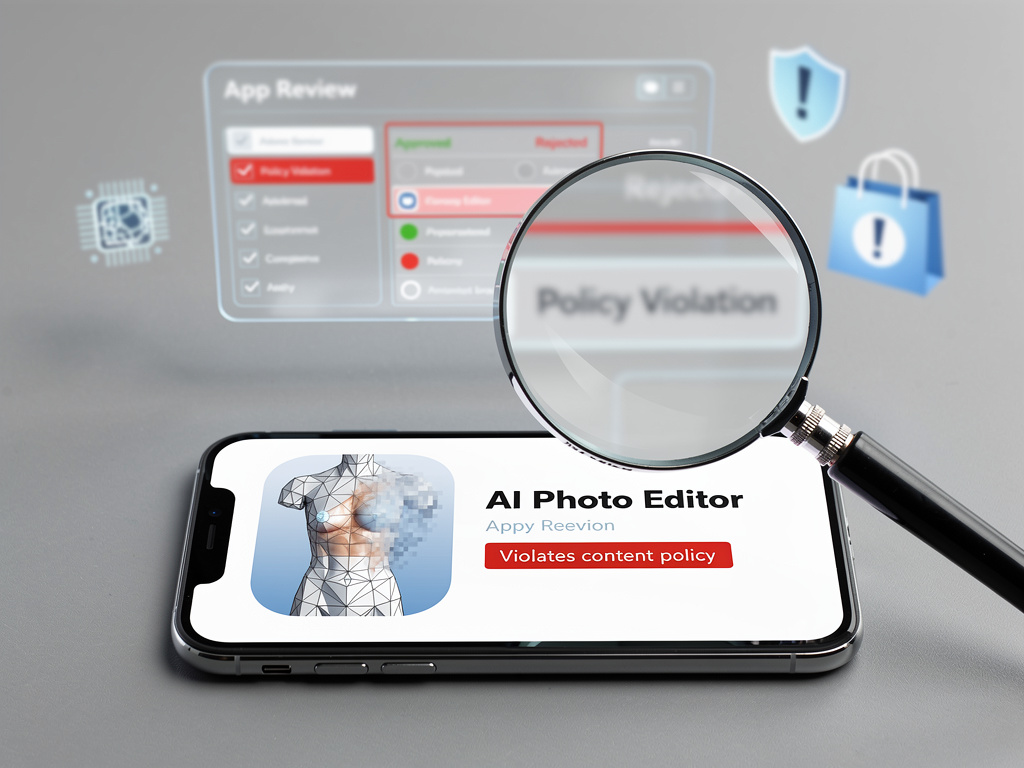
If you’re tempted by an “artificial undress” tool that offers any lifelike adult image from any dressed photo, move away. The safest route is artificial, entirely licensed, or completely consented pipelines that function on personal computer and maintain a provenance record.
The nine alternatives mentioned deliver high quality without the tracking, advertisements, or legal landmines. You retain control of content, you bypass harming actual people, and you receive durable, enterprise pipelines that will never collapse when the subsequent undress app gets prohibited.